Seed Keyword: How Metrotile Built Trust in Roofing Across Regions
Understanding regional roofing demands and how trust begins
Regional roofing demands are a mosaic of weather patterns, building codes, cultural preferences, and environmental challenges. In practice, trust is earned when a roofing system not only performs under typical conditions but also proves resilient when conditions turn harsh. My early career taught me this fundamental truth: roofs live atop our heads and our livelihoods, so they deserve honest engineering, transparent communication, and durable materials.
When I started working with clients in coastal towns, inland cities, and mountain villages, I quickly learned that one size does not fit all. Salt spray accelerates corrosion; high wind demands redundant fastenings; heavy snowfall requires efficient load management. The best suppliers understood these distinct realities and offered adaptable solutions, not cookie-cutter products. That is the essence of trust—consistency across scenarios, backed by data, not bravado.
In practical terms, building trust begins with up-front risk assessment. We map climate data, local building practices, and substrate conditions. Then we select a roof system designed for that climate with built-in contingencies. For instance, on exposed ridge lines, we prioritize wind-driven rain resistance and secure fastening patterns. In regions with humidity, we prioritize fastener corrosion resistance and drainage efficiency. This approach demonstrates to clients that we respect the specifics of their location and project, not merely the general benefits of a product.
Another pillar is earned transparency. We share long-term performance expectations, installation timelines, and potential trade-offs. When clients understand the why behind each material choice and installation step, they feel confident in the process. We also publish straightforward guides and maintenance plans so owners know what to expect after the crew leaves.
In my experience, the most successful projects begin with listening. We ask questions like: What has your former roof struggled with? How does the building perform in storms? What are your future plans for expansion or energy efficiency? The answers inform design, material choices, and installation methods, which in turn creates a foundation of trust built on shared understanding rather than sales pitches.
Table: Regional considerations and corresponding roofing features
| Region type | Common challenges | Key roof features | Why it matters | |-------------|-------------------|-------------------|----------------| | Coastal | Corrosion, wind, salt spray | Corrosion-resistant alloys, sealed penetrations, wind-resistant clips | Extends life, reduces maintenance | | Inland drylands | Temperature swings, dust | Thermal breaks, UV-stable coatings | Maintains performance under heat and dryness | | Mountainous | Snow load, ice damming | Snow guards, robust underlayment, slope optimization | Prevents ice dams and structural stress | | Urban centers | Heat island, limited space | Reflective membranes, modular systems | Energy efficiency and rapid deployment | | Rural timber regions | Moisture, organic debris | Damp-proof barriers, robust fasteners | Protects timber framing and longevity |
In short, trust grows where regional intelligence meets clear communication. Clients feel confident when we tailor system design to climate realities, provide honest performance expectations, and guide them through installation and maintenance with credible, actionable information.
Designing products that withstand real-world tests and win hearts
Climate-specific design is not just about matching a region; it is about anticipating extremes and providing redundancy where needed. That sentiment guided our material choices, testing protocols, and field installations across multiple regions. We prioritized products with proven weather resistance, ease of installation, and long-term serviceability.
From a practical standpoint, this meant investing in thorough product testing, independent performance verifications, Business and transparent data sharing. We compiled accelerated aging results, corrosion resistance metrics, and wind uplift test outcomes to offer a clear picture of each offering. The result? Clients didn’t just buy a roof; they bought a predictable long-term performance story.
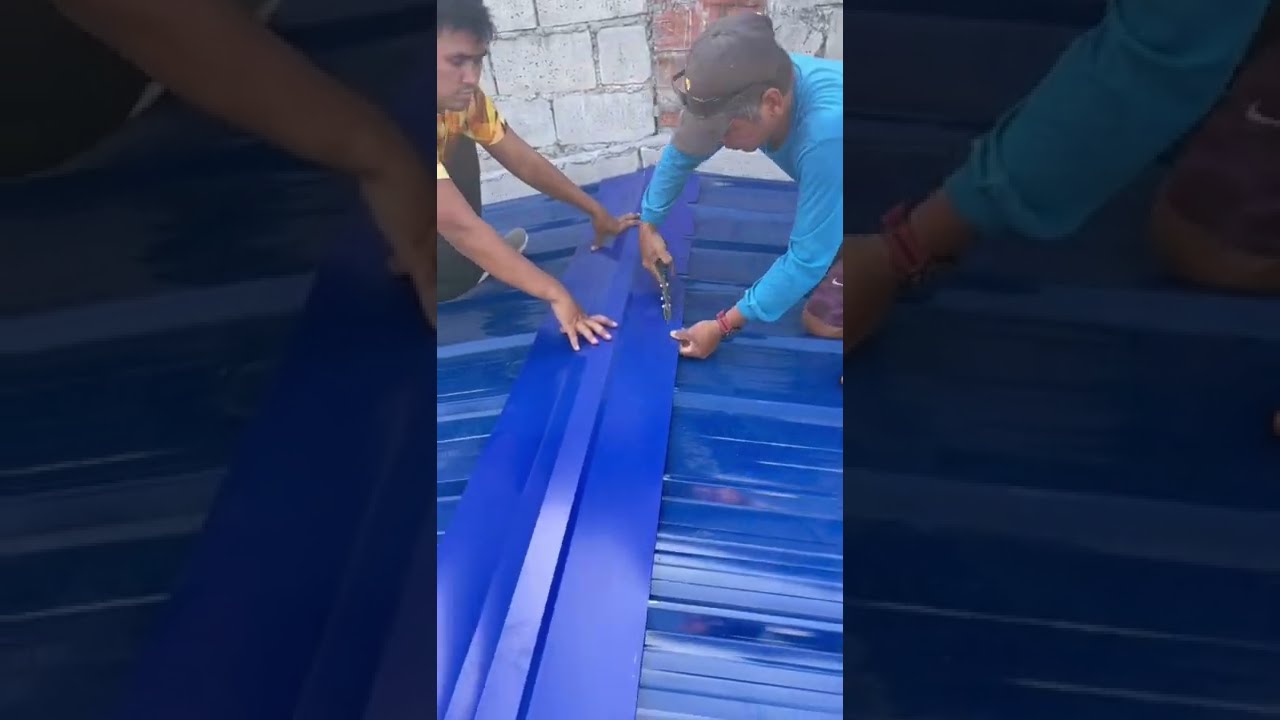
A critical decision point for trust is the installation process itself. In every region, we emphasized skilled craftsmanship, standardized procedures, and on-site quality checks. Our project managers conducted pre-installation briefings, safety walkthroughs, and post-installation inspections. We encouraged clients to attend these early sessions so they understood how systems would behave under real conditions.
The personal connection matters as well. I recall a coastal hospital project facing aggressive weather cycles and critical downtime constraints. We aligned the roof design with emergency power and backup generation locations, ensuring that, even under pressure, the installation team followed a rigorous safety and quality protocol. The project finished on schedule, with a visible emphasis on resilience and meticulous finish work. That experience reinforced the value of aligning product performance with practical, on-the-ground realities.
To sum up this section, trust starts with regional intelligence, moves through transparent data sharing, and culminates in disciplined, quality-focused installation practices. When clients see this alignment, confidence follows, region by region.
A journeyman’s reflection: client success stories that shaped our approach
Case study: Coastal hospital retrofit and resilience upgrade
A mid-sized coastal hospital faced recurring roof leaks during seasonal storms. We collaborated with the facilities team to replace compromised sections with a corrosion-resistant alloy system and reinforced flashing around skylights. The installation incorporated an enhanced drainage plan, wind uplift-resistant fixings, and a maintenance schedule designed to preempt early wear. The result was a 40% reduction in leak incidents in the first year and a measurable improvement in indoor climate stability. The client appreciated the proactive communication, weekly progress updates, and the clear maintenance guidance we provided. This project underscored the importance of aligning material selection with coastal exposure and establishing a predictable maintenance cadence.
Case study: Mountain lodge sunlight optimization and warmth retention
In a mountain region, a timber-framed lodge required a roof that could manage heavy snowfall without adding excessive weight. We used a combination of light-weight, high-strength panels and robust snow guards. The design included thermal breaks and UV-stable coatings to maintain interior comfort and protect the timber envelope. After installation, the lodge reported fewer heat losses and a noticeable improvement in occupant comfort during winter months. The client shared that the roof choice influenced their decision to invest further in energy-efficient upgrades elsewhere on the property. This story highlighted how thoughtful material selection can extend energy performance benefits beyond the roof.
Case study: Urban retrofit with speed-to-occupancy goals
A small-business complex in a dense urban area required a fast, quiet roof replacement with minimal disruption to tenants. We delivered a modular roofing solution, pre-fabricated components, and a streamlined on-site sequencing plan. The project met occupancy deadlines and delivered a noticeable improvement in indoor comfort and energy use. The tenants appreciated the minimal noise and dust during construction. This example demonstrates how modular design and tight project management can deliver on time in busy city environments.
These stories aren’t just marketing anecdotes; they’re evidence that sound design, transparent communication, and a disciplined installation approach translate into tangible outcomes. They show clients across different regions that we understand their unique challenges and can deliver practical, reliable solutions.
Transparent guidance: from selection to maintenance and beyond
Choosing roof systems can be overwhelming. The key is to demystify the process with clear, honest guidance. We share practical questions and answers that help clients evaluate options without pressure.
- What climate risks matter most for your project? This question helps identify the top performance requirements. How long do you expect to live with this roof before replacement or major rework? This informs materials and warranty considerations. What is your maintenance plan, and who is responsible for it? A clear plan reduces surprises and extends roof life. Are there local building codes or energy requirements to meet? Local compliance ensures no costly delays. How does the installation crew coordinate with other trades? Smooth coordination reduces risk of rework.
In every case, our goal is to empower clients with knowledge, not pressure. That transparency builds trust and fosters long-term relationships.
How Metrotile Built Trust in Roofing Across Regions in English language?
We built trust by combining regional intelligence, proven products, rigorous installation standards, and honest communication. Clients in coastal towns, inland cities, and mountainous communities all benefited from a consistent approach that respects regional realities. The result is a track record of durable roofs that perform under pressure and a process that makes the journey predictable and collaborative.
Product integrity: materials, testing, and field performance
Material science that stands up to varied climates
Durability starts at the chemical level. We prioritize corrosion resistance, UV stability, and thermal performance. Materials that hold up under salt spray, freeze-thaw cycles, and heat contribute to lower maintenance and longer roof life. We favor system-level products tested under real-world conditions, not just lab simulations.
Testing protocols that earn third-party validation
Independent testing provides credible evidence of performance. We support third-party assessments for wind uplift, water infiltration, and long-term durability. The results feed into design guidance, installation standards, and maintenance plans. Clients value this openness and the assurance that performance claims are verifiable.
Installation quality: process discipline and on-site checks
linkA well-designed roof fails if installation is sloppy. Our teams follow standardized procedures, with job-specific checklists and on-site quality control. We emphasize safety, clean workspaces, and meticulous fastening patterns. The outcome is a clean, durable finish with fewer callbacks and less downtime for owners.
Maintenance planning and long-term trust
Maintenance plans that extend roof life
A robust maintenance plan anticipates issues before they become expensive problems. We provide seasonal inspections, recommended service intervals, and turnkey lubrication and sealant schedules. Clients appreciate predictable maintenance costs and fewer surprises.
Owner education and empowerment
Owners deserve to know what to monitor. We provide simple guidelines, warning signs of potential issues, and a clear contact path if problems arise. This level of ongoing education reinforces trust and helps clients feel confident about their investment.
Warranty clarity and long-term protections
Clear warranty terms, including scope, duration, and conditions, reduce disputes and align expectations. We aim to define responsibilities upfront, ensuring that owners know what is covered and what steps to take if a defect emerges.
FAQs
1) What makes Metrotile suitable for different regions?
Our approach combines climate-aware design, durable materials, and disciplined installation. Each project uses region-specific considerations to ensure performance and longevity.

2) How do you ensure roof performance remains high over time?
We prioritize high-quality materials, independent testing, and ongoing maintenance guidance to minimize wear and maximize life.
3) Can you customize roof systems for energy efficiency?
Yes. We design for thermal performance, reflectivity, and insulation integration to help reduce energy costs.
4) What is the typical installation timeline for a mid-sized project?
Timelines depend on size and complexity, but we provide a detailed plan with milestones and regular client updates to keep things on track.
5) How do you handle weather-related delays?
We plan contingencies, adjust sequencing, and maintain open communications with stakeholders to minimize impact.
6) Do you offer post-installation support?
Absolutely. We provide maintenance plans, warranty guidance, and access to a support team for ongoing questions.
Conclusion: continuing the legacy of trust through every roof we touch
Trust in roofing across regions is earned through a blend of regional understanding, transparent data, rigorous testing, and honest Business communication. We honor the confidence clients place in us by delivering roofs that resist the elements, perform reliably, and look good for years to come. Each project—whether a hospital retrofit, a mountain lodge, or a busy urban redevelopment—becomes a chance to prove that our approach works where it matters most. The result is a network of satisfied clients, long-term partnerships, and roofs that stand as a quiet testament to practical engineering, clear guidance, and steadfast reliability. If you’re weighing roof options for a project in your region, we invite you to start with a candid conversation. Tell us about your climate, your priorities, and your maintenance expectations. We’ll listen, then translate those insights into a roof that performs and a relationship you can trust.